

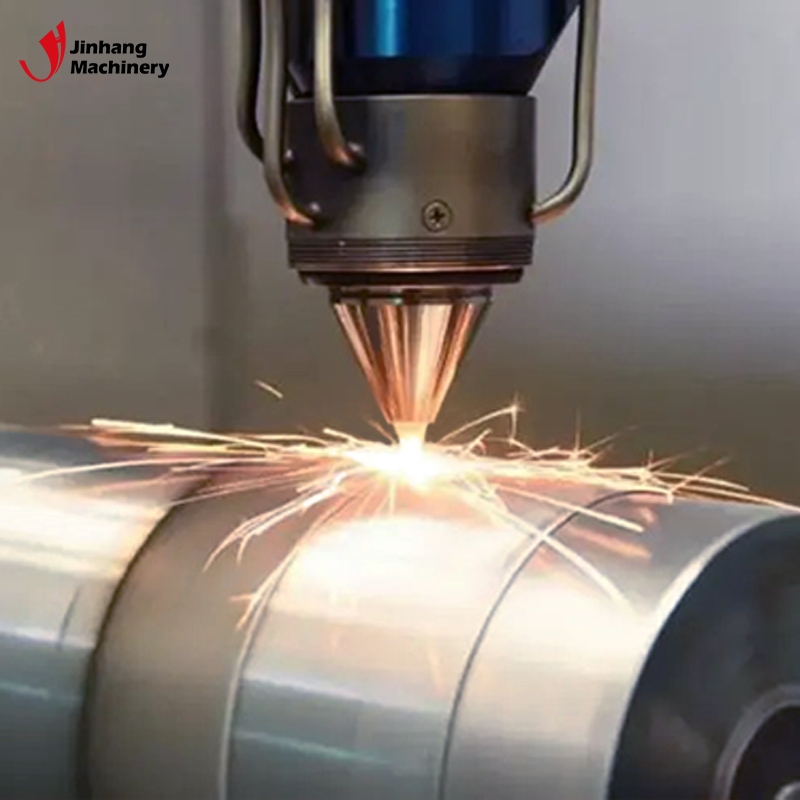
Tungsten carbide coatings are a key protective material for industrial rollers. They are known for their excellent hardness and wear resistance and are widely used in heavy industry, steel manufacturing, paper production, glass processing and other fields. Tungsten carbide coated rollers can maintain long-term stable performance under harsh working conditions, especially in extreme environments such as high friction, high pressure, and chemical erosion. However, despite the extremely high hardness and wear resistance of tungsten carbide coatings, they can still be scratched or damaged in certain specific situations.
This article will explore in detail what substances or factors can scratch tungsten carbide coatings and analyze the potential impact of these factors on industrial production.
What is the hardness and wear resistance of tungsten carbide coatings?
Before discussing what can scratch tungsten carbide coated rollers, it is necessary to first understand the hardness of tungsten carbide. Tungsten carbide is a very hard material with a Mohs hardness of between 8.5 and 9, close to the hardness of natural diamond (10). This makes tungsten carbide coatings very strong in the face of most common wear and corrosion environments.
However, even such a hard material is not completely indestructible. Factors that affect the performance of tungsten carbide coatings include mechanical stress, physical impact, chemical corrosion, etc. Some materials or working conditions that are harder than tungsten carbide or have specific properties may damage it.
What can scratch industrial tungsten carbide coating rollers?
Diamond-like materials
Due to the Mohs hardness of diamonds being 10, which is a cut higher than tungsten carbide, diamond-like materials can easily scratch tungsten carbide coatings. In some high-precision manufacturing processes, diamond tools are used as tools for cutting and processing materials. If the tungsten carbide coating roller comes into contact with the diamond tool during these processes, even a brief friction or impact may leave scratches on the surface.
In addition, in the ore processing industry, some minerals or stones containing high-hardness diamond particles may also cause damage when in contact with the tungsten carbide coating roller.
Silicon carbide (SiC) and cubic boron nitride (CBN)
Silicon carbide and cubic boron nitride are the second-hardest materials after diamond, with Mohs hardness of 9.5 and 9 respectively. They are widely used in industrial cutting and grinding tools, especially in processes that require machining hard metals and other wear-resistant materials.
If the tungsten carbide coating roller comes into contact with silicon carbide or cubic boron nitride during operation, especially under high pressure and high friction conditions, these superhard materials may scratch or wear the coating. Even a small amount of fine particles mixed in the production line may cause long-term wear problems.
Mechanical friction under high stress
Although tungsten carbide coatings have extremely high wear resistance, under extremely high mechanical stress, especially under overload operation and high-speed friction, the coating surface may gradually wear and even scratch due to long-term fatigue. Friction itself is an energy dissipation process. Under the action of ultra-high friction, tungsten carbide coatings may not be able to completely resist local damage.
For example, in high-pressure, high-speed mechanical environments such as steel rolling and heavy mineral processing, tungsten carbide coating rollers may be scratched due to continuous high-stress friction. In addition, over time, the surface of the tungsten carbide coating may develop fine cracks due to friction, which may lead to surface scratches and peeling.
Foreign particles (such as grit, metal fragments)
In industrial production environments, foreign particles such as grit, metal fragments, etc. may be mixed into the production line. Although these particles may not have a higher hardness than tungsten carbide, they may still cause scratches if they come into contact with the tungsten carbide coating roller under high-pressure or high-speed friction conditions.
For example, in the metal processing industry, small metal chips or cutting particles may be embedded in the surface of the machine. If these metal particles are pressed into the surface of the tungsten carbide coating roller, as the roller rotates and the material is transported, it is very likely to form wear tracks or scratches on the coating surface.
Chemical corrosion and corrosive media
Although tungsten carbide coatings have good corrosion resistance, in some extremely corrosive chemicals or high temperature environments, the coating may react chemically, causing the surface to gradually lose its protective ability. In this case, the surface of the coating becomes fragile and more susceptible to mechanical scratches.
For example, the corrosion resistance of tungsten carbide coatings may be weakened when exposed to high temperature acidic or alkaline environments for a long time. The penetration of chemical media may cause the internal structure of the coating to loosen, making the roller more susceptible to mechanical stress during daily operation, resulting in scratches or partial detachment.
Thermal fatigue caused by temperature changes
غلتکهای پوشش کاربید تنگستن عملکرد بسیار خوبی در محیطهای با دمای بالا دارند، اما اگر برای مدت طولانی در معرض نوسانات شدید دما قرار گیرند (مانند چرخههای متناوب سرمایش و گرمایش)، پوشش ممکن است دچار خستگی حرارتی و تغییر در ریزساختار سطح شود. این خستگی حرارتی باعث ایجاد ریزترکهایی روی سطح پوشش میشود که مقاومت سایشی آن را کاهش میدهد و آن را در عملیات مکانیکی بعدی مستعد خراش میکند.
به خصوص در صنایع تولیدی با دمای بالا مانند فولاد و شیشه، غلتکهای صنعتی باید در دماهای بسیار بالا کار کنند. اگر دما خیلی سریع تغییر کند یا به شدت نوسان کند، پایداری حرارتی پوشش کاربید تنگستن به چالش کشیده خواهد شد. پس از تشکیل میکروترکها، نیروهای خارجی یا اصطکاک میتوانند آسیب را عمیقتر کنند.
عواقب خراشیدن غلتک پوشش کاربید تنگستن چیست؟
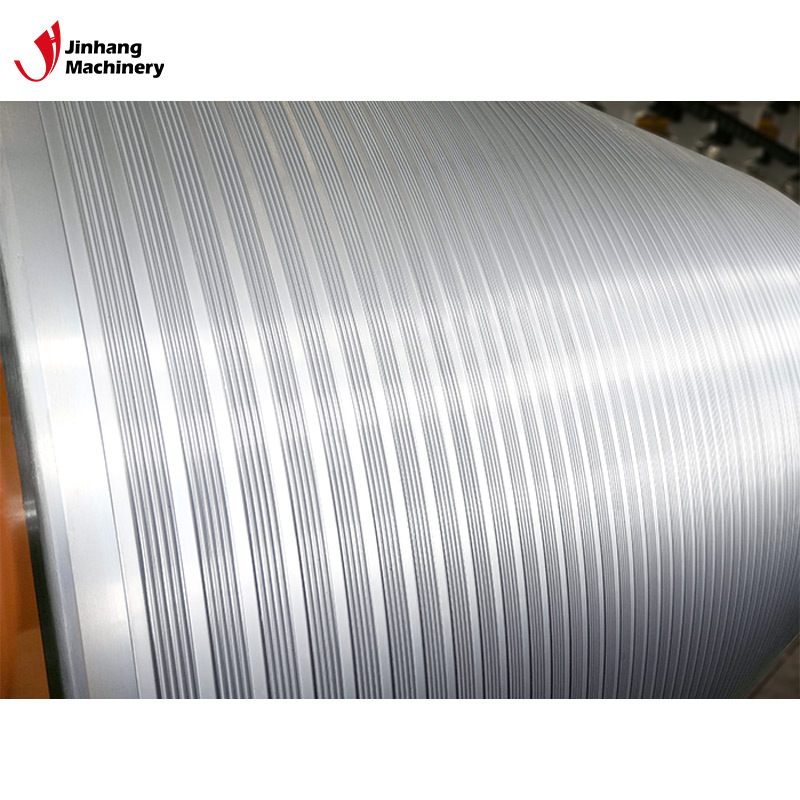
هنگامی که سطح غلتک پوشش کاربید تنگستن خراشیده میشود، مشکلات ناشی از آن محدود به آسیب سطحی نیست، بلکه ممکن است بر کل فرآیند تولید و عمر تجهیزات تأثیر بگذارد.
افت کیفیت مواد
غلتکهای صنعتی معمولاً نقشهای مهمی مانند حمل و نقل، پوششدهی و غلتکزنی را در خط تولید ایفا میکنند. هنگامی که سطح خراشیده میشود، غلتک صاف اولیه ممکن است توزیع فشار ناهمواری داشته باشد که به نوبه خود منجر به نقصهای سطح مواد مانند پوشش ناهموار، فرورفتگی، خراش و غیره میشود که به طور جدی بر کیفیت و ثبات محصول تأثیر میگذارد.
تخریب عملکرد تجهیزات
هنگامی که غلتک پوشش کاربید تنگستن خراشیده شود، مقاومت کلی سایش و مقاومت خوردگی غلتک نیز کاهش مییابد. این امر باعث تشدید سایش غلتک، کوتاه شدن عمر مفید تجهیزات و افزایش دفعات نگهداری و تعویض میشود. در درازمدت، هزینه عملیاتی خط تولید به طور قابل توجهی افزایش مییابد و راندمان تولید و مزایای شرکت به طور جدی تحت تأثیر قرار میگیرد.
کاهش راندمان تولید
خراشها نه تنها مستقیماً منجر به کاهش عملکرد غلتک پوشش کاربید تنگستن میشوند، بلکه زمان از کارافتادگی تجهیزات را نیز افزایش میدهند زیرا نیاز به تعمیر یا تعویض دارند. پس از خاموش شدن خط تولید، ضررهای وارده به شرکت اغلب بسیار زیاد است. به خصوص در صنایع سنگین با عملیات با شدت بالا، هرگونه از کارافتادگی باعث ضررهای اقتصادی قابل توجهی خواهد شد.
چگونه از خراشیدن غلتک پوشش کاربید تنگستن جلوگیری کنیم؟
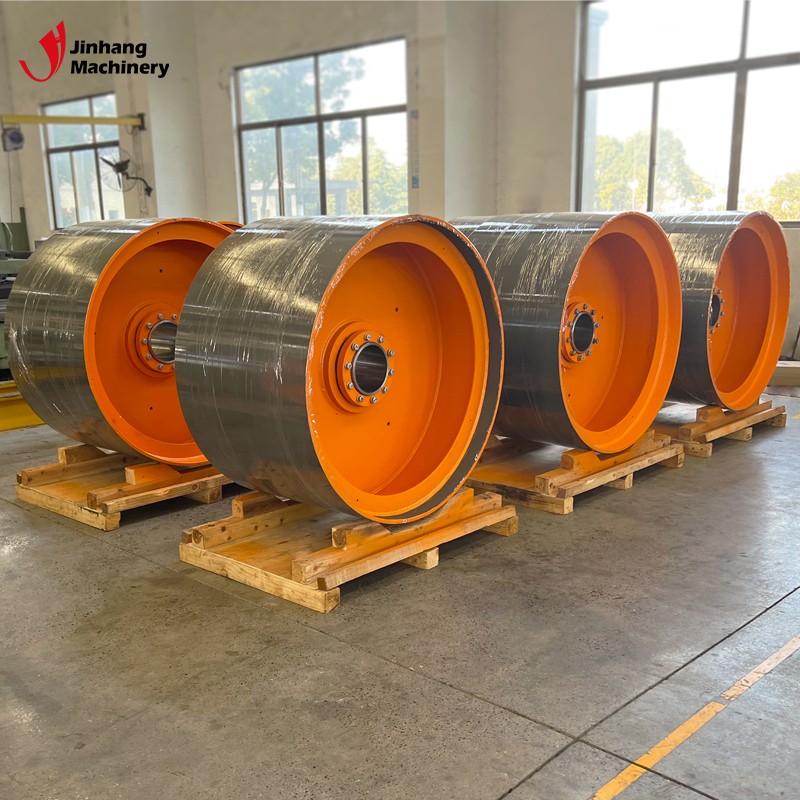
اگرچهغلتک پوشش کاربید تنگستنبسیار مقاوم در برابر سایش و خوردگی است، به منظور جلوگیری از خراش و آسیب، شرکتها هنوز هم باید اقدامات پیشگیرانهای را برای اطمینان از پایداری طولانی مدت پوشش و عملکرد کارآمد تجهیزات تولید انجام دهند.
تمیز کردن و نگهداری منظم
در تولید صنعتی، تمیز کردن و نگهداری به موقع سطح غلتکهای صنعتی بسیار مهم است. با حذف منظم ذرات خارجی، قطعات فلزی و غیره، از ساییدگی این ذرات سخت روی سطح غلتک جلوگیری میشود. علاوه بر این، در طول فرآیند نگهداری، پوشش باید به دقت از نظر ترکها یا خراشهای ریز بررسی شود و آسیبهای جزئی باید به موقع تعمیر شوند تا از گسترش بیشتر آنها جلوگیری شود.
کنترل میزان ناخالصی محیط تولید
در طول فرآیند تولید، ناخالصیها و مواد خارجی را در محیط تولید به حداقل برسانید. به عنوان مثال، در کارگاههای فلزکاری، اطمینان از عدم باقی ماندن ذرات برش در خط تولید بسیار مهم است تا از ایجاد سایش توسط این ذرات در هنگام کار غلتکها جلوگیری شود.
بهینه سازی کنترل دما
در صنایع تولیدی با دمای بالا، اجتناب از تغییرات شدید دما میتواند به طور موثری از خستگی حرارتی غلتکهای روکش شده با کاربید تنگستن جلوگیری کند. انتقال دما باید در حین گرم کردن و خنک کردن به آرامی انجام شود تا تأثیر نوسانات دما بر پوشش به حداقل برسد.
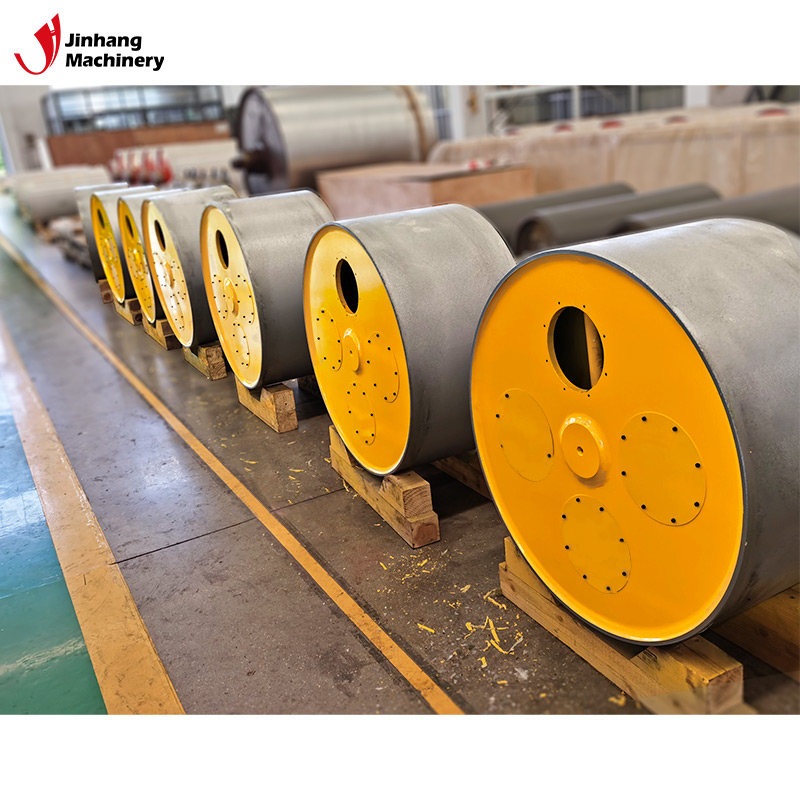
ماشینآلات JH از سال ۲۰۰۱ در بخش تولید غلتکهای صنعتی پیشگام بوده است. کارخانه ما در چین که دارای گواهینامه ISO9001 است، غلتکهای با کیفیتی مانند غلتکهای آبکاری کروم، غلتکهای پوشش کاربید تنگستن و غلتکهای پلی اورتان تولید میکند. ما با ارائه خدمات به صنایعی از جمله بستهبندی، خودرو و باتریهای لیتیومی، راهحلهای کاملاً سفارشی متناسب با نیازهای منحصر به فرد شما ارائه میدهیم. از تخفیفهای عمده، قیمتهای رقابتی و پشتیبانی پس از فروش قابل اعتماد ما بهرهمند شوید. برای اطمینان از دقت و دوام در هر غلتک، از ماشینآلات JH خرید کنید.